I. Unveiling common scams targeting international students
With the popularity of WeChat and Alipay in China, they have brought great convenience to our daily life, but they have also become the target of fraudsters. Many scammers specifically exploit the characteristics of international students, such as unfamiliarity with the local environment, emphasis on friendship, or language barriers, to design scams. The College of Overseas Education has prepared this safety guide for everyone. Please read it carefully and share it with your friends.
1. Criminal method 1-Counterfeit embassy/school departments
Scammers impersonate bank personnel, Chinese teachers, or even personnel from your country's embassy or consulate in China, and contact you via phone or text message. They will claim that there are issues with your visa, bank card, or payment account, suspected of being illegal, and that you need to immediately click on a link to "process online" or "rebind bank card", otherwise you will be restricted from leaving the country.
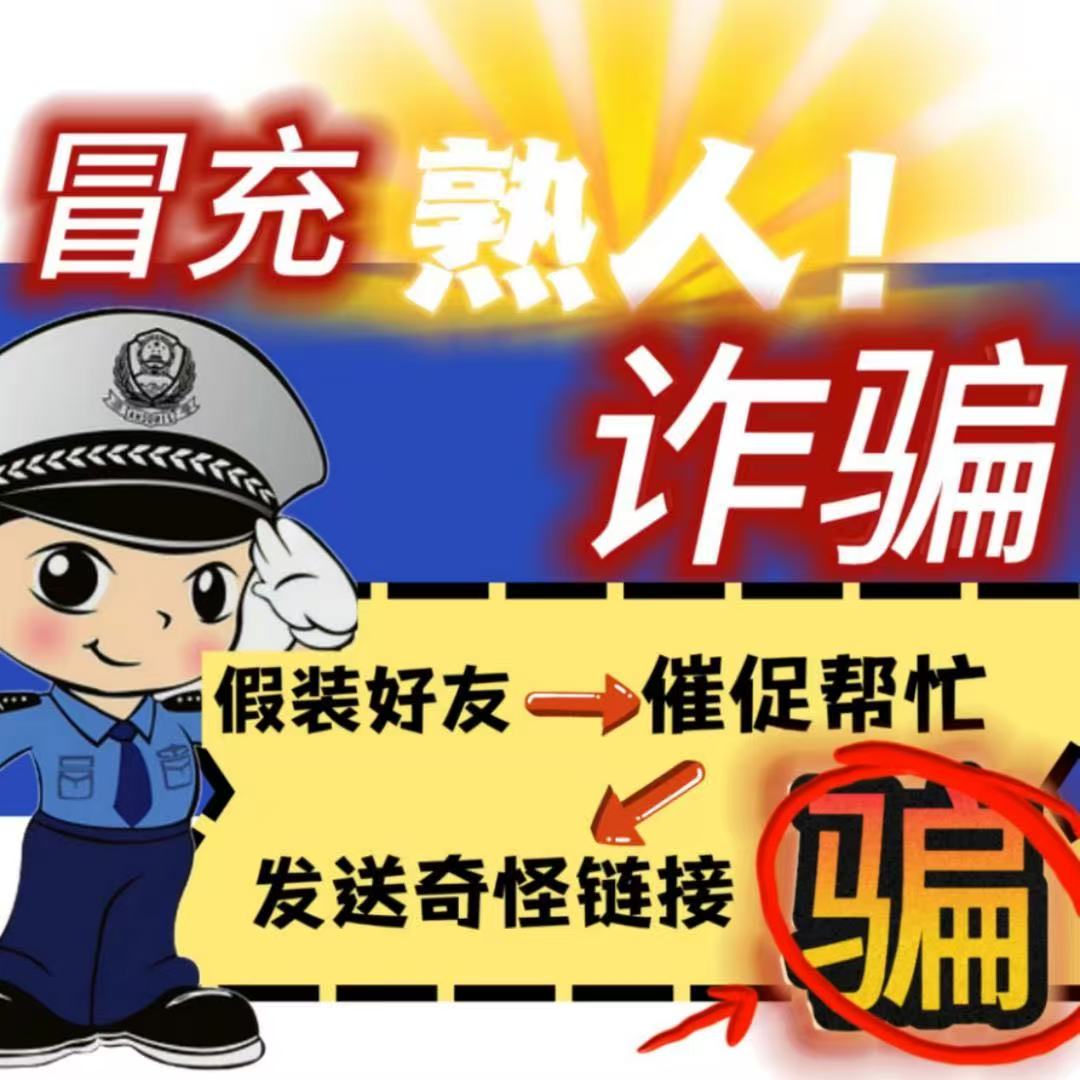
2.Criminal method 2-Fake friends urgently seeking help
Scammers steal your friend's social media account and then seek help from you as a friend. They may request your help to transfer a sum of money on their behalf for urgent reasons such as 'I am at the airport, wallet lost ', 'urgent need to pay medical expenses', or 'inconvenient to transfer money directly to a friend'.
II. Preventive tip: Remember the "Three Nos" principle
1. Do not click on unknown links.
Any information claiming to come from official institutions (banks, schools, embassies) asking you to click on links to process business is 99% fraudulent.
Correct approach: If you need to bind a bank card or handle account issues, please be sure to log in directly through official apps (such as Alipay, WeChat Pay) or personally visit the bank or school office for consultation.
2. Do not easily trust unfamiliar calls and messages.
Be alert to any calls claiming to be from "official personnel". Be highly suspicious of unusual transfer requests from friends, especially those involving words like "help" or "urgent".
Correct approach: Multiple verifications! Immediately contact the other party in person through the previously confirmed phone number or video call stored in your phone to personally confirm the situation. Do not reply directly to that suspicious message.
III. Add a 'lock' to your security: Set up payment security features
1. Set payment password/fingerprint/facial ID: This is the most important line of defense to ensure that even if your phone is lost, others cannot use your payment function.
2. Enable "Large amount transfer reminder": In the settings of WeChat and Alipay, enable the transfer reminder function, so that you can receive timely notification of each large amount of expenditure.
3. Set "24-hour delayed arrival": you can find this function in Alipay's [Security Settings] and WeChat's [Help Center]. Once you discover that you have been scammed, you have time to contact customer service to try to intercept this transaction.
4. Regularly check authorized devices: Regularly check and manage logged in devices in the payment software settings, and remove infrequently used or unfamiliar devices.
Finally, please remember: true official institutions will not urge you, true friends will understand your caution. If you encounter any transfer requests that make you feel uncertain, or if unfortunately you have been deceived, please contact your teacher as soon as possible.
作者:邢露萍(海外教育学院) 审核:朱丹


 Home
Home
 TOP
TOP